

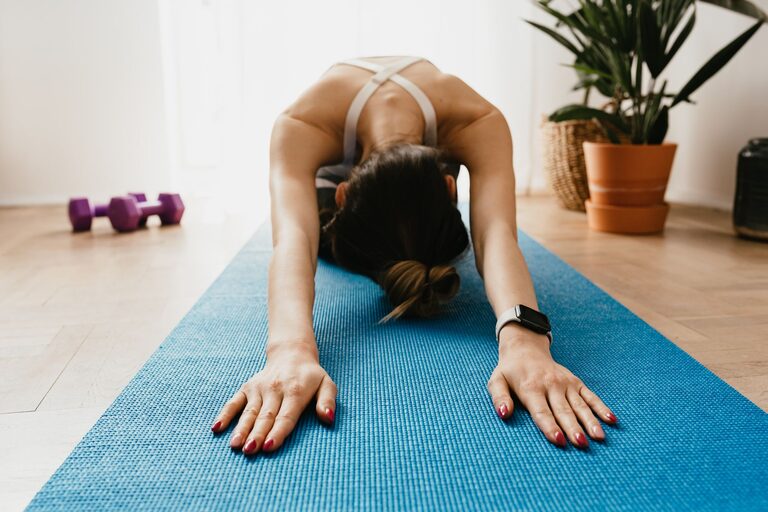
Stretching is a simple yet powerful practice that can enhance your physical health and overall well-being. Whether you’re new to exercise or looking to add more movement to your daily routine, stretching at home is a convenient way to improve flexibility, reduce muscle tension, and promote relaxation. This beginner’s guide will walk you through the basics of stretching at home, including why it’s important, when to stretch, and easy stretches to get started.
Why Stretching Matters
Stretching helps lengthen your muscles and increase your range of motion. This can lead to:
– Improved flexibility and mobility: Easier movement during daily activities and exercise.
– Reduced muscle stiffness: Less soreness and a lower risk of injury.
– Better posture: Stretching tight muscles can support a balanced body alignment.
– Stress relief: Gentle stretching can calm the mind and relax the body.
– Enhanced circulation: Stretching promotes blood flow, which aids in muscle recovery.
By incorporating stretching into your routine, you support your body’s natural functions and make everyday tasks more comfortable.
When to Stretch
You can stretch at any time of day, but consider these tips:
– After exercise: Muscles are warm and more pliable, making post-workout stretching very effective.
– In the morning: Gentle stretches can help wake your body up and ease stiffness.
– Before exercise: A light warm-up stretch prepares your muscles for activity.
– During breaks: Short stretching sessions can reduce tension from sitting or standing too long.
Avoid bouncing during stretches, and never stretch to the point of sharp pain.
Preparing to Stretch at Home
You don’t need any special equipment to start stretching. Here’s how to set up:
– Wear comfortable clothes that allow free movement.
– Find a quiet space with enough room to stretch out your limbs.
– Use a yoga mat or soft surface to protect your joints if needed.
– Warm up briefly by marching in place or doing light arm circles for 3–5 minutes.
– Breathe deeply and relax as you stretch to get the best results.
Basic Stretching Exercises for Beginners
Below are some beginner-friendly stretches you can try at home. Hold each stretch for 15–30 seconds and repeat 2–3 times.
Neck Stretch
– Sit or stand tall.
– Slowly tilt your head to the right, bringing your ear toward your shoulder.
– Use your right hand gently to increase the stretch if comfortable.
– Repeat on the left side.
Shoulder Stretch
– Bring your right arm across your chest.
– Use your left hand to press your right arm closer to your chest.
– Hold, then switch arms.
Chest Opener
– Clasp your hands behind your back.
– Straighten your arms and lift your chest up.
– Keep your shoulders relaxed.
– This helps stretch your chest and shoulders.
Cat-Cow Stretch (Spinal Mobility)
– Get on all fours with your wrists under your shoulders and knees under hips.
– Inhale to arch your back (cow), lifting your head and tailbone.
– Exhale to round your spine (cat), tucking your chin and tailbone.
– Repeat for 5–10 cycles.
Seated Hamstring Stretch
– Sit on the floor with your right leg extended.
– Bend your left knee, placing the foot near your right inner thigh.
– Reach toward your right toes while keeping your back straight.
– Repeat on the other leg.
Hip Flexor Stretch
– Kneel on your right knee with your left foot forward, knee bent.
– Push your hips forward gently.
– Hold, then switch sides.
Calf Stretch
– Stand facing a wall.
– Place your hands on the wall and step one foot back, keeping it flat.
– Lean into the wall to stretch the calf muscle.
– Switch legs.
Tips for Safe and Effective Stretching
– Don’t rush: Stretch slowly and mindfully.
– Breathe: Deep, even breaths help your muscles relax.
– Listen to your body: Mild discomfort is okay, but stop if you feel sharp pain.
– Consistency is key: Aim to stretch at least 3–4 times a week.
– Combine with other activities: Stretching pairs well with walking, yoga, or light strength training.
Staying Motivated at Home
– Set a regular stretching schedule or add it to your morning or evening routine.
– Use online videos or apps to guide you.
– Keep a stretching journal to track progress and note how your body feels.
– Celebrate small improvements like feeling less tight or moving more easily.
When to Seek Professional Advice
If you have any health concerns, injuries, or chronic pain, check with a healthcare provider or physical therapist before starting a stretching routine. They can help tailor exercises to your needs.
—
Stretching at home is a great way to nurture your body and create a healthy habit that supports your mobility and comfort. Start with gentle stretches, stay consistent, and enjoy the benefits of feeling more flexible and relaxed every day.