

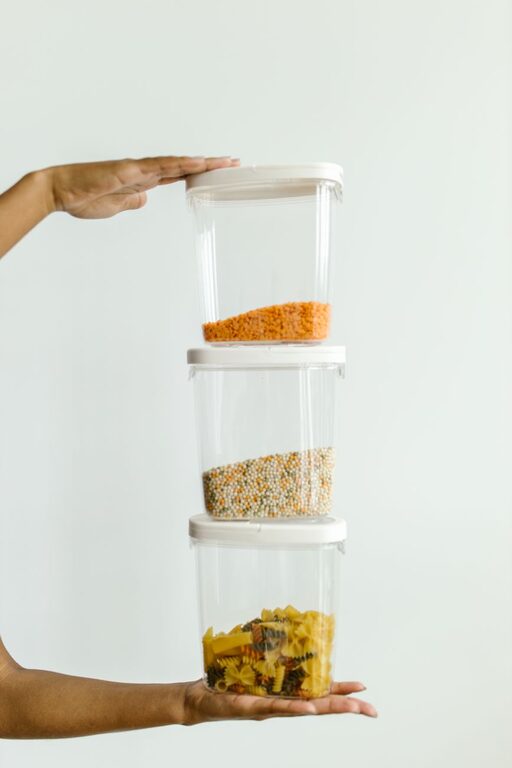
Planning meals around pantry staples is a smart way to save time, reduce grocery bills, and minimize food waste. Whether you’re new to cooking or just looking to simplify your routine, knowing how to turn basic ingredients into tasty meals can make a big difference. This guide will help you get organized and inspired to create satisfying dishes using what you already have on hand.
Why Use Pantry Staples for Meal Planning?
Pantry staples are non-perishable or long-lasting items that form the foundation of many meals. Common staples include dried pasta, rice, canned beans, tomatoes, spices, and oils. Using these ingredients means:
– Convenience: You can whip up meals without last-minute trips to the store.
– Cost Savings: Staples are often affordable and bought in bulk.
– Reduced Waste: You use what you have before it expires.
– Creativity: Staples offer a versatile base to experiment with flavors and cuisines.
Step 1: Take Inventory of Your Pantry
Before planning meals, spend some time reviewing what’s in your pantry. Here’s how to do it efficiently:
– Empty shelves: Pull out items to see everything clearly.
– Check expiration dates: Toss anything expired or stale.
– Group similar items: Organize by category—grains, canned goods, spices, snacks, etc.
– List essentials: Write down items you use frequently or want to include in meals.
Keeping a running pantry list on your phone or a notebook helps during meal prep and shopping.
Step 2: Think About Your Meal Needs
Consider who you’re cooking for, how many meals you need, and your dietary preferences. Ask yourself:
– How many breakfasts, lunches, and dinners to plan?
– Do you want quick meals or are you okay with longer cooking times?
– Are there any allergies or diet restrictions?
– Which flavors or cuisines do you enjoy?
Answering these questions helps you choose recipes and ingredients that fit your lifestyle.
Step 3: Choose Pantry Staples That Work Together
To build balanced meals, combine staples from different food groups:
– Carbohydrates: rice, pasta, quinoa, couscous, oats
– Proteins: canned beans, lentils, canned tuna, nut butters
– Vegetables: canned tomatoes, jarred sauces, frozen vegetables (often stocked together)
– Fats: olive oil, coconut oil, nut oils
– Flavorings: spices, dried herbs, garlic powder, broth cubes, soy sauce
For example, rice paired with canned black beans, canned corn, and chili powder makes a simple, flavorful meal.
Step 4: Plan Simple Recipes
Use your pantry ingredients to create dishes that are easy and flexible. Here are a few ideas:
1. One-Pot Pasta
– Cook pasta directly in a pot with canned tomatoes, garlic, olive oil, and dried herbs.
– Add canned beans or tuna for protein.
– Finish with a sprinkle of cheese or fresh herbs if available.
2. Bean and Rice Bowls
– Prepare rice according to package instructions.
– Heat canned beans with spices like cumin or chili powder.
– Top with jarred salsa or pickled vegetables.
– Add avocado or shredded cheese if you have it.
3. Lentil Soup
– Sauté onion or garlic (fresh or powdered) in oil.
– Add lentils, canned tomatoes, broth cubes, and spices.
– Simmer until lentils are tender.
– Serve with crusty bread or crackers.
Step 5: Use Meal Prep and Batch Cooking
Cooking in bulk saves time and helps you make the most of pantry staples.
– Make a large batch of soup or stew and freeze portions for future meals.
– Cook grains like rice or quinoa in advance to use throughout the week.
– Pre-mix spice blends tailored to your favorite flavors for easy seasoning.
Step 6: Supplement with Fresh Ingredients as Needed
While pantry staples form the backbone, fresh ingredients elevate your meals. Buying seasonal produce or staples like onions, garlic, or fresh herbs can enhance flavor. Consider:
– Visiting local markets for affordable fresh veggies.
– Keeping a small supply of frozen vegetables for convenience.
Tips for Maintaining Your Pantry
– Rotate older items to the front to use them before newer ones.
– Label containers if you transfer items to storage jars.
– Restock staples gradually to avoid overspending.
– Keep pantry shelves clean and organized for easy access.
Conclusion
Meal planning with pantry staples is a practical and enjoyable way to feed yourself and your family. By knowing what you have, choosing compatible ingredients, and preparing simple recipes, you can reduce stress, save money, and enjoy delicious food every day. With a little organization and creativity, your pantry can become your best cooking partner. Happy cooking!